Resin storage shelf life — opened bottles and temperature swings

By James Vek · Editor, Resin Rundown
Published June 1, 2026 · Last reviewed June 1, 2026
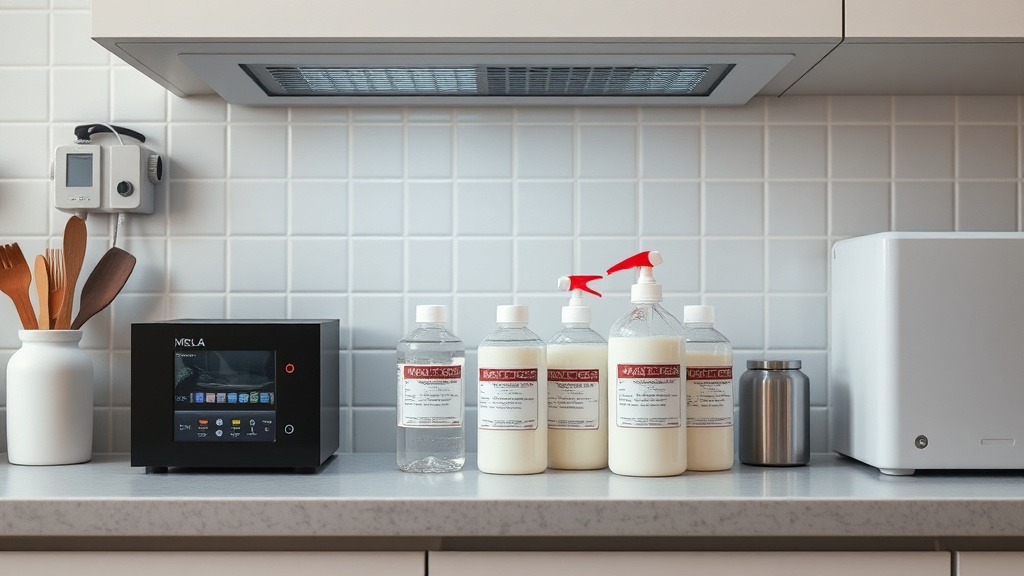
Resin storage shelf life depends largely on whether the bottle has been opened and how temperature changes affect the material over time. Understanding these factors is key to maintaining resin quality for 3D printing or casting projects without waste or printing failures.
Key takeaways
- Unopened resin bottles typically last 12–24 months if stored properly in a cool, dark place.
- Once opened, resin shelf life shortens to about 6 months due to exposure to air and humidity.
- Frequent or extreme temperature swings cause resin to degrade faster by promoting premature curing or chemical breakdown.
- Proper storage includes tightly sealing the bottle, avoiding UV light, and maintaining a stable, moderate temperature.
- Signs of degraded resin include thickening, color changes, unusual odor, and poor printing results.
How Resin Shelf Life Is Affected by Opening the Bottle
Resin manufacturers usually specify a shelf life of 12 to 24 months for unopened bottles kept in ideal storage conditions. This is because the resin remains sealed from air, moisture, and contaminants—factors that accelerate degradation.
Once you open a bottle, the resin’s exposure to oxygen and moisture begins a chemical reaction that gradually reduces its printability. Oxygen can cause premature curing, while moisture can change the resin’s viscosity and lead to inconsistent layer adhesion during printing. Because of this, the practical shelf life of opened resin is typically cut to around six months.
Here are a few tips to maximize the lifespan of an opened bottle:
- Tightly reseal the cap immediately after use. Avoid leaving it slightly ajar.
- Minimize the amount of time the bottle is open. Pour resin directly into your printer’s vat without leaving the bottle sitting open.
- Use smaller bottles if you rarely print, so you complete the bottle’s contents quicker.
- Avoid contaminating the resin with cured bits, dirt, or other debris.
By following these precautions, you can avoid resin spoilage and inconsistent prints caused by degraded or contaminated material.
Temperature Swings and Their Effects on Resin Longevity
Temperature fluctuations have a significant impact on resin quality and shelf life. Resin is a mixture of photopolymers—sensitive compounds that can begin curing or degrading if exposed to excess heat or cold.
Heat exposure
- High temperatures (above 25–30°C / 77–86°F) accelerate the resin’s chemical reactions, causing it to partially cure inside the bottle over time.
- This leads to increased viscosity (thickening), which makes the resin harder to handle and prone to clogs or layer adhesion issues.
- Permanent damage to the photoinitiators reduces print accuracy and results in a brittle or weak final print.
Cold exposure
- Temperatures below 10°C (50°F) can cause some resin components to separate or crystallize.
- When warmed back up, the resin might remain lumpy or uneven in consistency.
- Long-term cold storage generally is less damaging than heat, but repeated freeze-thaw cycles worsen the issue.
Temperature swings
- Frequent large swings from hot to cold encourage chemical instability and physical breaking down of resin molecules.
- This leads to color changes, increased settling, and reduced polymerization efficiency during printing.
Ideal temperature for resin storage
- Most manufacturers recommend storing resin at a stable temperature between 15–25°C (59–77°F) in a dark, sealed container.
- Avoid locations like near windows, heaters, or garages where temperatures can fluctuate drastically through the day or seasons.
How to Store Resin Properly to Maximize Shelf Life
Maintaining resin quality through proper storage is the simplest way to extend its usability and avoid purchasing new bottles prematurely.
Best practices for resin storage
| Factor | Recommended Storage Practice | Effect on Shelf Life |
|---|---|---|
| Temperature | Keep between 15–25°C (59–77°F) | Prevents premature curing and settling |
| Light exposure | Store in an opaque or dark container | Avoids UV-induced polymerization |
| Moisture and air | Reseal cap tightly; use airtight containers | Slows oxidation and moisture contamination |
| Storage location | Cool, dry, stable environment (e.g., closet) | Minimizes temperature swings and humidity |
| Handling | Avoid contamination of resin with cured parts | Prevents curing in the bottle and impurities |
Additional tips:
- If you suspect resin has thickened or partially cured, warming it gently to room temperature and vigorous stirring can sometimes restore usability—though this is not guaranteed.
- Label bottles with open date to track usage.
- Consider decanting resin into smaller containers if you print infrequently.
Signs Your Resin Has Gone Bad
Knowing when resin has passed its usable shelf life saves time and frustration during printing.
Common indicators of degraded resin include:
- Increased viscosity or thickening: Resin feels sticky or gels rather than flowing smoothly.
- Color changes: Cloudy, yellowing, or darkening not typical of the original resin.
- Sediment or lumps: Clumping inside the bottle or visible particles.
- Unusual odor: Sour or chemical smells worse than typical resin odor.
- Print failures: Poor layer adhesion, incomplete curing, sticky prints, or brittle failures.
If you notice these signs, testing a small print is advisable before committing a large project.
Comparison Table: Resin Storage Conditions and Shelf Life
| Condition | Expected Shelf Life (Unopened) | Expected Shelf Life (Opened) | Notes |
|---|---|---|---|
| Ideal storage (15–25°C, dark, sealed) | 12–24 months | About 6 months | Maintains quality; minimal degradation |
| High temperatures (>30°C) | 6–12 months | 2–4 months | Accelerates curing and chemical breakdown |
| Cold storage (<10°C) | 12–24 months | 4–6 months | Can cause crystallization or separation |
| Frequent temperature swings | <6 months | 1–3 months | Promotes premature curing and instability |
| Exposed to UV light | <1 month | Immediate degradation | Causes quick curing and unusable resin |
FAQ
How long does resin last after opening?
Typically, opened resin lasts about six months if stored properly—sealed tightly, away from light, and at stable room temperature. Exposure to air and moisture shortens its effective shelf life.
Can temperature swings ruin my resin?
Yes. Frequent or extreme temperature fluctuations stress the chemical stability of resin, causing it to thicken, cure prematurely, or lose printing reliability faster than stable storage conditions.
Is resin safe to use if it has thickened?
Thickened resin indicates partial curing or chemical changes. Sometimes warming and stirring can restore flow, but print quality may suffer. Testing with a small print is recommended before using thickened resin on significant projects.
Should I refrigerate resin to extend shelf life?
Refrigeration can slow chemical reactions but risks crystallization and condensation inside the bottle. It’s generally better to store resin at a stable room temperature within 15–25°C and avoid frequent temperature changes.
How can I tell if resin has gone bad?
Look for increased thickness, color or clarity changes, sediment or lumps, unusual odors, and poor print results. Any of these signs suggest the resin is past its prime and may produce unreliable prints.
Proper understanding and care in storing resin can significantly extend its usefulness and save money. Keeping opened bottles sealed, stored away from light, and at steady temperatures minimizes degradation and ensures better print quality over time.