Elegoo Saturn 4 Ultra vs Saturn 3 — when the bigger build plate pays off

By James Vek · Editor, Resin Rundown
Published June 1, 2026 · Last reviewed June 1, 2026
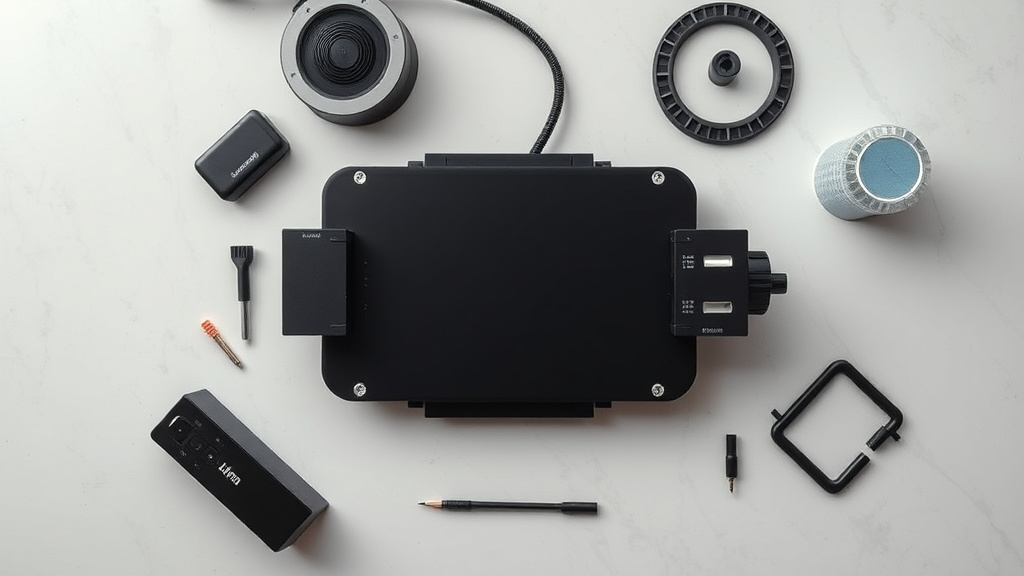
The Elegoo Saturn 4 Ultra vs Saturn 3 debate centers on one crucial factor: the build plate size. For resin 3D printing enthusiasts weighing whether to upgrade, understanding how the larger build plate of the Saturn 4 Ultra impacts print capacity, speed, and workflow is key.
Key takeaways
- The Elegoo Saturn 4 Ultra offers a significantly larger build volume (192 × 120 × 200 mm) compared to the Saturn 3 (143 × 89 × 175 mm), enabling bigger or more models per print job.
- Both printers share similar MSLA core technologies but differ in light source size, resin tank capacity, and power efficiency.
- A bigger build plate provides advantages for batch printing and large-scale models but may require more resin and longer printing times per layer.
- Users should consider their typical print projects, workspace constraints, and budget before choosing between the Saturn 3 and Saturn 4 Ultra.
- Both models maintain Elegoo’s solid reputation for easy setup, reliable hardware, and strong community support.
Elegoo Saturn 4 Ultra vs Saturn 3: Build Volume and Print Capacity
The most immediately noticeable difference between the Elegoo Saturn 4 Ultra and the Saturn 3 is the build area. The Saturn 3 offers a respectable build volume of 143 × 89 × 175 mm, suitable for most modest-sized resin prints like detailed miniatures, prototypes, or jewelry components. However, for users looking to print larger objects or multiple parts at once, the Saturn 4 Ultra’s build size of 192 × 120 × 200 mm represents a roughly 80% increase in build plate surface area and significant added height.
This increase in size translates to:
- Printing large models in one piece rather than in parts.
- Higher batch throughput by fitting dozens more miniatures or small parts per job.
- Reduced need for splitting complex builds, saving assembly time.
For hobbyists or small businesses focusing on production runs of miniatures or dental models, this expansion can improve workflow efficiency by decreasing total print cycles per order.
Printing Speed, Resolution, and Light Source
Both printers use masked stereolithography (MSLA) technology with monochrome LCD screens, which improves lifespan and layer cure consistency over RGB or RGBW variants. The Saturn 3 features a 6.0-inch monochrome LCD with 4K resolution (2688 × 1512 pixels), while the Saturn 4 Ultra steps up to an 8.9-inch 4K monochrome LCD (3840 × 2400 pixels). This larger screen accommodates the bigger build plate without sacrificing detail.
The layer curing speed is comparable on both machines, generally around 1.5 to 3 seconds per layer depending on resin and exposure settings. Because the Saturn 4 Ultra’s build plate covers more area, each layer will inherently take longer to expose in absolute time, but total print speed benefits from printing multiple parts simultaneously outweigh the marginal per-layer delay.
Both printers support a minimum layer height of 10 microns and maximum resolution that satisfy demanding hobbyist and professional standards alike. The Saturn 4 Ultra, having newer hardware refinements, often demonstrates more consistent exposure even at the edges of the build plate due to an upgraded LED array.
Resin Tank and Maintenance Considerations
The larger build plate of the Saturn 4 Ultra demands a correspondingly larger resin vat. Its resin tank volume is about double that of the Saturn 3, holding up to 1 liter versus around 0.5 liters for the Saturn 3. This means you’ll need to pour and mix more resin per print, which can increase material waste if prints do not fill the entire volume or fail partway.
Resin cost and handling can shape your decision if you typically print single parts or small batches versus continuous large prints. Larger vats also imply:
- More careful resin topping-off procedures.
- Cleaning and maintenance take more time.
- Slightly higher upfront resin investment per print.
Both models use the same easy-to-remove and replace silicone FEP films for vats, and both designs simplify alignment and leveling. However, cleaning the Saturn 4 Ultra’s larger vat may require more patience and care due to the increased surface area.
Setup, User Interface, and Software
Hardware-wise, both printers boast robust metal frames with comparable build quality and rigidity. The Saturn 4 Ultra’s exterior dimensions are larger to accommodate the build plate—roughly 400 × 400 × 520 mm against the Saturn 3’s 258 × 290 × 520 mm footprint. Before upgrading, make sure your workspace can handle the bigger footprint.
Both come with color touchscreen interfaces, providing intuitive controls and built-in slicing capabilities. The Saturn 4 Ultra’s UI is slightly more polished with firmware upgrades supporting better file management and multi-language support.
In terms of software, both printers are compatible with Elegoo’s Chitubox slicer, which is free and widely used. Settings for layer exposure, support generation, and build plate orientation work similarly. The Saturn 4 Ultra’s larger build plate requires scaled-up support strategies but benefits from familiar workflows.
Price and Value: Is the Bigger Build Plate Worth It?
Pricing is often the deciding factor when comparing these two models. The Saturn 3 is consistently positioned as a mid-tier resin printer below $400, offering solid performance for its cost. The Saturn 4 Ultra, as a newer release with a bigger build volume and enhanced optics, commands a higher price—typically around $600 to $700 or more depending on retailer and bundle options.
Whether the larger build plate justifies the price depends on your needs:
- For casual users or hobbyists primarily printing single miniatures or prototypes, the Saturn 3 offers ample capability.
- For users needing higher throughput, larger model dimensions, or small-batch manufacturing, the Saturn 4 Ultra’s capabilities offset the extra cost through time savings.
Bear in mind that larger resin tanks imply more consumable resin use, increasing running costs. Also factor in any additional accessories you may want, such as wash and cure stations.
Side-by-Side Comparison Table
| Feature | Elegoo Saturn 3 | Elegoo Saturn 4 Ultra |
|---|---|---|
| Build Volume (xyz mm) | 143 × 89 × 175 | 192 × 120 × 200 |
| LCD Size & Resolution | 6.0” monochrome 4K (2688×1512) | 8.9” monochrome 4K (3840×2400) |
| Layer Cure Time | ~1.5–3 sec per layer | ~1.5–3 sec per layer (larger area) |
| Resin Tank Capacity | ~0.5 liters | ~1.0 liters |
| Printer Footprint (mm) | ~258 × 290 × 520 | ~400 × 400 × 520 |
| Price (typical range) | $300–$400 | $600–$700 |
| Connectivity | USB, USB stick | USB, USB stick |
| Software Compatibility | Chitubox, others | Chitubox, others |
| Minimum Layer Height | 0.01 mm | 0.01 mm |
| User Interface | Color touchscreen | Color touchscreen with firmware updates |
When Does the Bigger Build Plate Pay Off?
Batch Printing: If you regularly print multiple miniatures or dental models simultaneously, the Saturn 4 Ultra’s large build plate allows far more units per print job, reducing overall printing cycles and post-processing time. This makes it attractive for production-oriented workflows.
Large Models: Printing large prototypes, architectural models, or functional parts in one piece can avoid seam lines, assembly errors, and extra finishing time. The Saturn 4 Ultra can handle models that would otherwise require splitting on the Saturn 3.
Workflow Efficiency: By reducing the number of separate prints needed, you save time refilling resin, handling prints, and starting jobs. The tradeoff is potential increased print time per job and more resin consumption.
Budget and Space: If budget or physical footprint constraints exist, the smaller Saturn 3 remains compelling. The sizable price jump and bigger footprint of the Saturn 4 Ultra should be justified by your actual printing demand.
Tips to Optimize Use of Each Printer
- For the Saturn 3, plan print jobs to maximize build plate usage by arranging multiple small objects efficiently.
- Use high-quality resin for sharp details and good adhesion, especially for detailed miniatures.
- For the Saturn 4 Ultra, take advantage of the wider UV exposure area by printing mixed batches to reduce downtime.
- Ensure resin is properly filtered and tanks are cleaned regularly to maintain print quality.
- Both machines benefit greatly from stable, vibration-free surfaces and a well-ventilated workspace.
FAQ
Which printer is better for printing miniatures, Saturn 3 or Saturn 4 Ultra?
Both deliver excellent resolution and detail suitable for miniatures. The Saturn 4 Ultra’s bigger build plate allows printing many miniatures in one go, improving throughput. If you print only a few miniatures at a time, the Saturn 3 provides great quality at a lower cost.
Does the larger build plate increase print failure risk?
Not inherently. However, larger prints on the Saturn 4 Ultra take longer and may be more impacted by environmental variables. Proper calibration and stable setup reduce failure risk on either printer.
How much more resin does the Saturn 4 Ultra use compared to Saturn 3?
Because of its larger resin tank and build volume, the Saturn 4 Ultra uses roughly double the amount of resin when filling its vat. Efficient print planning can reduce waste by only pouring what is needed.
Can I use the same resin and accessories on both printers?
Yes, both printers are compatible with standard 405 nm resins and use similar FEP vats and build plates, making accessory sharing straightforward.
Is the Saturn 4 Ultra harder to maintain due to its size?
It requires more careful handling of the larger resin vat and bigger parts, but maintenance steps are otherwise consistent with the Saturn 3. A cleaning station and organization help maintain efficiency.
In summary, choosing between the Elegoo Saturn 4 Ultra and Saturn 3 boils down to your printing volume, model size requirements, workspace, and budget. The Saturn 4 Ultra’s bigger build plate pays off when higher throughput or larger physical model space are priorities, while the Saturn 3 remains a capable, cost-effective option for smaller-scale printing needs.